Skin & anti-aging peptides
Peptides studied in the context of skin, appearance, and aging — GHK-Cu, GLOW, NAD+, and more. For research use only.
Showing all 4 results
-
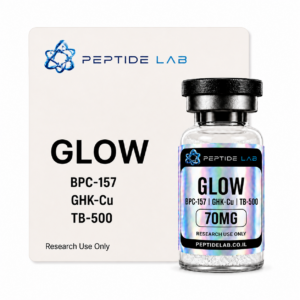
GLOW
599.00 ₪ לרכישה בוואטסאפ -
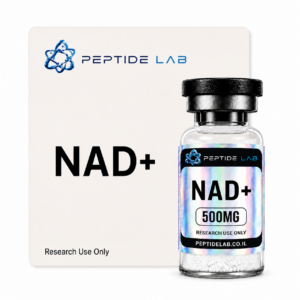
NAD+
499.00 ₪ לרכישה בוואטסאפ -
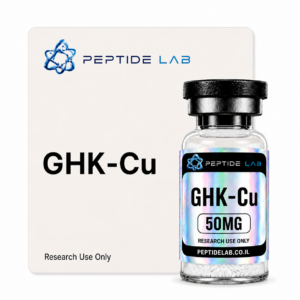
Ghk-Cu
499.00 ₪ לרכישה בוואטסאפ -
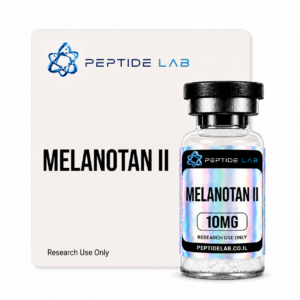
Melanotan 2
499.00 ₪ לרכישה בוואטסאפ
Skin & anti-aging peptides — what the research explores
Certain peptides attract research interest in the context of skin, appearance, and aging processes. Skin aging is characterized by a gradual decline in the production of collagen and elastin, a slowing of cell renewal, and an increase in oxidative damage. Peptides are studied in this context as part of the effort to understand which pathways are involved in maintaining the skin's structure and appearance, and which factors change with age.
GHK-Cu ו-GLOW
GHK-Cu is a natural copper peptide whose levels in the body decline with age. It has been studied in the context of skin-tissue renewal, collagen and elastin production, and healing processes — hence the growing interest in it in the cosmetic-research world. GLOW is a blend studied in the context of the skin's appearance and health, and it is usually discussed in relation to people interested in overall skin quality.
NAD+ ו-Melanotan
NAD+ is a central molecule in cellular metabolism and in the cell's energy production. Interest in it within the field of aging is related, among other things, to a family of proteins called sirtuins, which are involved in regulating age-related cellular processes and depend on NAD+ to function. As NAD+ levels decline with age, research interest in it grows. The category also includes Melanotan 2, studied in the context of the melanocortin system and skin pigmentation.
It's worth understanding that research in this field divides into two main tracks: research on local application (topical, directly on the skin) and research on systemic effect. Part of the interest in GHK-Cu, for example, actually comes from the topical context in cosmetics. In any case, this is a field under active research, and many of the questions — efficacy, concentrations, and long-term safety — are still being examined. The information here should not be taken as advice, but as background for further study.
Another point worth remembering: research quality varies greatly among the peptides in this category. Some, like GHK-Cu, have been studied relatively extensively in a cosmetic context, while others are at earlier stages. It's therefore worth evaluating each product on its own merits, reading the accompanying information and sources, and remembering that even promising findings in the lab do not necessarily translate into a practical result. We present the information as background for further study, not as a recommendation. Ultimately, an informed choice begins with reading the information alongside reliable external sources — and not with marketing promises.
Every product comes with information and sources. New here? See the basics guide and our dilution calculator.
Wondering where to buy peptides of lab quality? Our guide explains exactly what to look for.
The information is for educational purposes only. The products are for research use only.